
Home Delivery
Delivery fee shown at checkout
7-Day Replacement
Hassle free guarantees
Quality Options
Choose available edition quality
Secured checkout
SSL & Cash on Delivery
Book Specifications
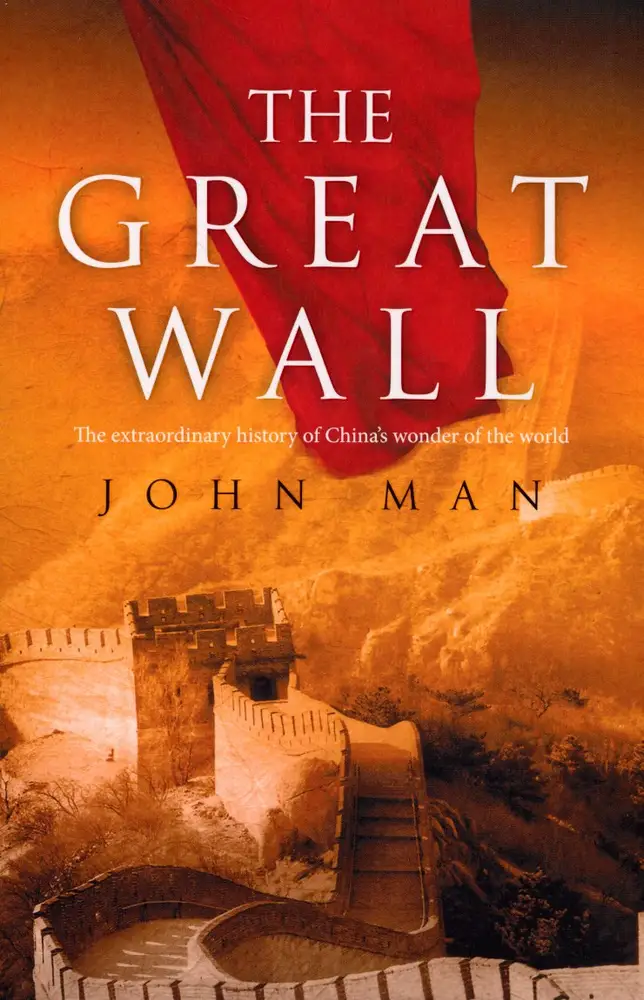
China's Great Wall north of Beijing is one of the world's most famous sights. Millions every year climb the line of stone snaking over mountains. We all feel we know the Wall. But we are wrong. It is too big, too varied, too complex to be captured by a few images or a day-trip.
Myths surround it. Many believe that the stone barrier marches across all China, that it has been in existence for over 2,000 years, and that it is the only man-made structure visible from the Moon. In fact, most of it is made of earth, and much of it is not there at all. It cannot even be seen from earth orbit, let alone the Moon. Estimates of its length vary from 1,500 to 5,000 miles. Even its name is deceptive - it is not an it, a single entity, but many walls (hence the uncertain length), built at different times.
Yet behind the confusion are great simplicities. The many walls are united by two ideas - self-protection and unity - which go back to the First Emperor, who founded the nation in 221 BC. For 2,000 years, the Wall marked the border between China and nomadic peoples to the north and west. Mutual hostility inspired centuries of attacks, counter-attacks and Wall-building, until the northward spread of China in the 20th century made the Wall redundant.
For this riveting account, John Man travelled the Wall from the far western deserts to the Pacific, exploring the grandest sections and many 'wild' ones. He is the first writer to describe two unknown walls in Mongolia. He covers two millennia of history, from the country's first unification to the present day, when the Great Wall, built and rebuilt over centuries of war, has become a symbol of tranquillity.
Related Books Catalog
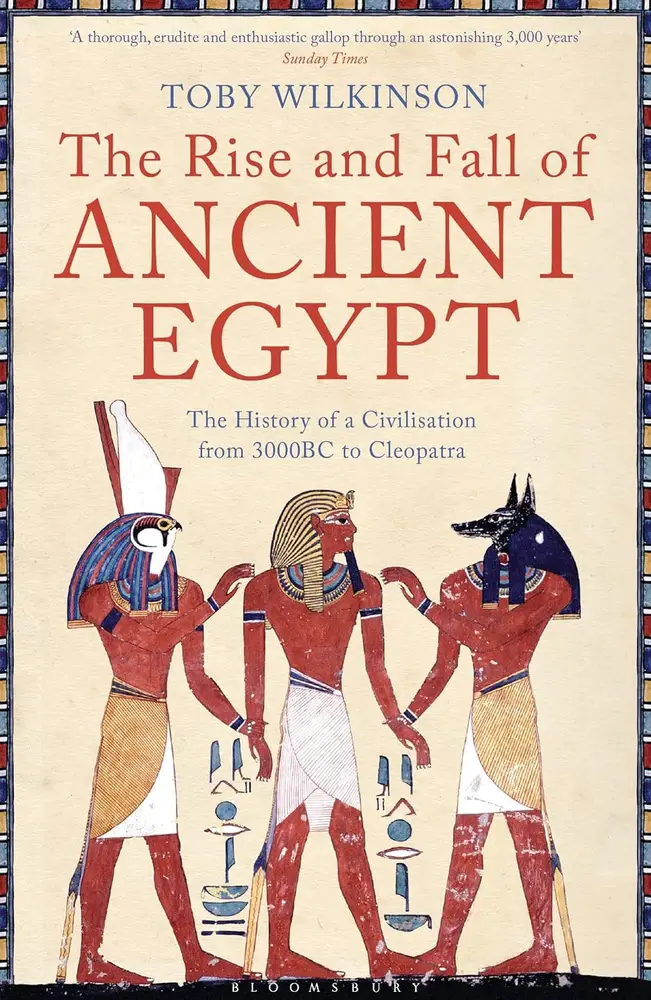
Rise and Fall of Ancient Egypt: The History of a Civilisation from 3000 BC to Cleopatra
Toby A. H. Wilkinson